Understanding Alopecia and Hair Transplant Procedures at Reviva Hair
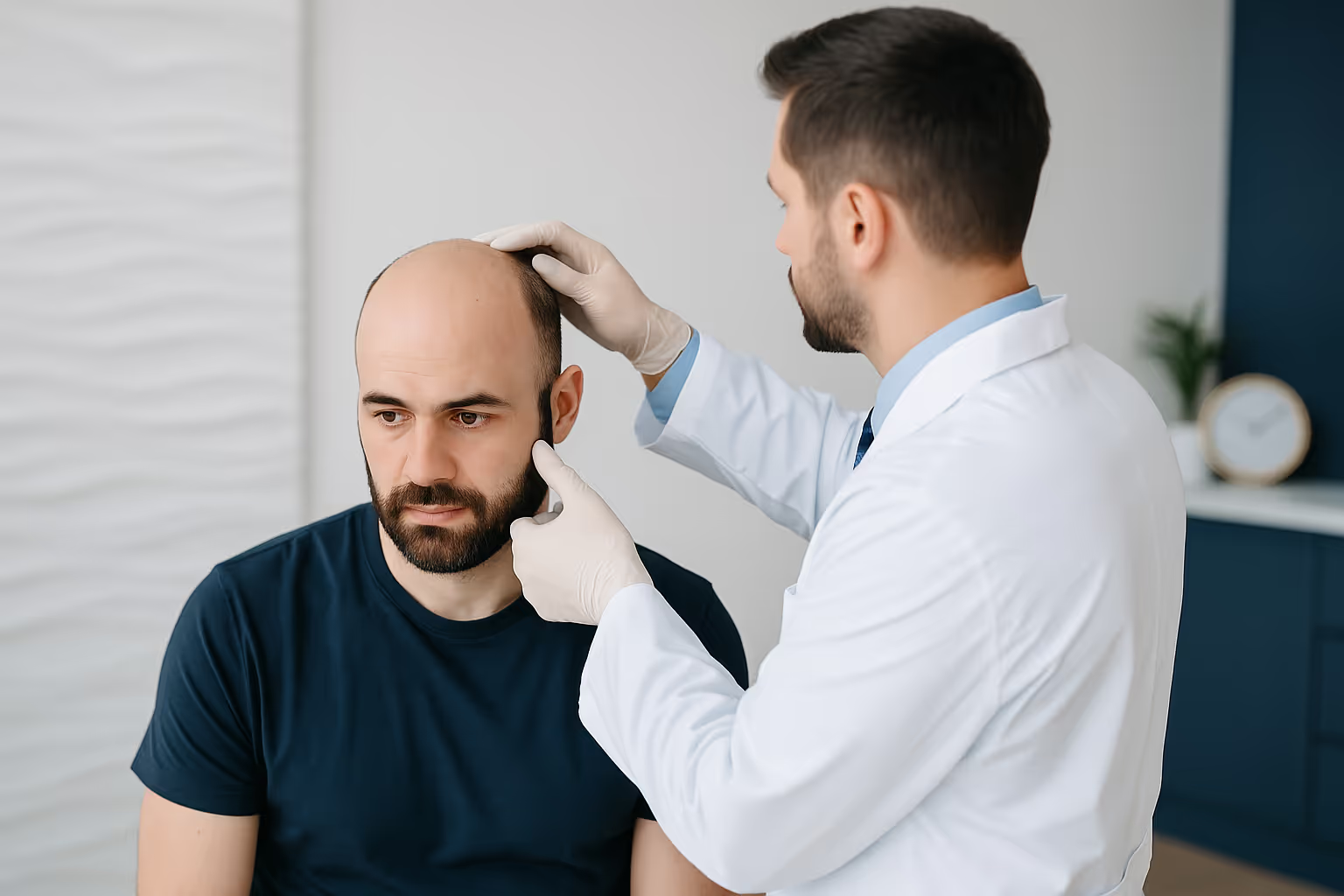
Discover the causes of alopecia, the differences between scarring and non-scarring hair loss, and how advanced hair transplant techniques at Reviva Hair restore natural growth and confidence.
What is Alopecia?
Alopecia refers to the reduction of normal hair density, which can progress to complete hair loss (baldness).
What are the Types of Alopecia?
Alopecia is divided into two main categories: cicatricial (scarring) and non-cicatricial (non-scarring).
A. Non-Cicatricial Alopecia
The most common form is Androgenetic Alopecia.
What is Androgenetic Alopecia?
Androgenetic Alopecia is diffuse hair loss that commonly results from the following conditions:
1) Telogen Effluvium
A pronounced shedding of normal hairs occurs when actively growing (anagen) follicles shift prematurely into the resting (telogen) phase — typically within 1–3 months.
This results in diffuse hair loss and can be triggered by several factors.
Causes of Telogen Effluvium:
- Physiologic conditions – stress
- Early stages of androgenetic alopecia
- Physiologic effluvium of the newborn
- Postpartum effluvium
- Injury or major stress
- Crash or liquid protein diets
- High fever (e.g., malaria)
- Hypothyroidism and other endocrinopathies
- Major surgery or severe chronic illness
- Severe infection or psychological stress
- Certain drugs and substances:
- Anticoagulants (especially heparin)
- Anticonvulsants
- Antikeratinizing agents (e.g., Tegison)
- Antithyroid agents
- Heavy metals
- Hormones
Treatment:
The focus is on identifying and correcting the underlying cause. Once treated, regrowth is usually expected within a few months.
2) Anagen Effluvium
Hair loss that occurs rapidly within days.
Causes:
- Chemotherapy (stops mitosis and causes follicular apoptosis)
- X-ray or radiation exposure
B. Cicatricial Alopecia
Causes include:
- Genetic hair growth disorders
- Lichen planus pilaris
- Discoid lupus erythematosus
- Neoplasms
- Local trauma
- Traction alopecia
- Trichotillomania
Note:
Hair transplantation is only recommended once the underlying disease has been inactive and stable for at least one year.
Androgenetic Alopecia
This is the most common form of alopecia.
In androgenetic alopecia, two areas of the scalp have distinct characteristics:
- Permanent hair growth area: Occipital and temple zones, resistant to genetic factors.
- Temporary hair growth area: Frontal and crown zones, gradually thinned due to androgenic influence.
Alopecia is a gradual process — the anagen (growth) phase becomes shorter, resulting in slower hair growth and shorter hair length over time.
When Can a Hair Transplant Fail?
Possible causes of low or poor hair growth include:
- Type 1 diabetes (due to peripheral angiopathy)
- Local scar tissue reducing blood flow
- Traumas near the alopecia area
- Advanced age and arteriosclerosis
- Heavy smoking or respiratory issues
- Inflammation in the recipient area
- Skin conditions such as sarcoidosis, lupus erythematosus, rheumatoid arthritis, or scleroderma
What Does the Hair Transplant Technique Involve?
The procedure begins with local anesthesia.
- Extraction:
The surgeon extracts hair follicles one by one using fine forceps, identifying grafts by the number of hairs each contains. - Implantation:
The follicles are implanted into pre-prepared micro-reception sites at the correct depth, direction, angle, and distribution to ensure natural results. - Break:
Between extraction and implantation stages, patients enjoy a short snack break.
Note: No more than 30% of donor follicles are extracted in one session.
The “D-Points” of a Successful Transplant
At Reviva Hair, we always follow the D-Points to deliver excellence:
- Discuss
- Diagnose & Prognose future hair loss
- Design the new hairline
- Donor management
- Distribution
- Density
- Direction & Angle
- Depth
- Direct implantation for natural results
These key factors ensure the outstanding results we’re known for at Reviva Hair.
Possible Hair Restoration Complications
1. Poor Growth
Causes:
- Follicle trauma (during extraction, handling, or preservation)
- Poor donor blood supply
- Persistent post-procedure inflammation
2. Post-Surgical Effluvium
Temporary shedding of existing (non-transplanted) hairs 2–6 weeks post-surgery.
Hair regrowth usually occurs within a few months.
3. Shock Loss
Temporary loss of native hair in the recipient area due to surgical trauma.
4. Delayed Decrease in Transplanted Hair
Occurring 3–7 years post-procedure due to synchronized transition of transplanted hairs into the telogen phase.
5. Unnatural Appearance
Caused by poor design, direction, or improper density.
6–9. Inflammation, Irritation, or Cysts
- Mild inflammation at donor or recipient sites
- Skin irritation due to early minoxidil use or improper washing
- Folliculitis, cysts, or papules may appear weeks to months after the procedure
Post-Operative Instructions
1. Moisture and Washing
- Days 0–2: Spray the recipient area with sterile saline every 30 minutes (except while sleeping).
- Day 1: Remove the bandage, wash the donor area with New Hair Loss Shampoo, then apply New Soothing Aloe Vera Lotion to promote healing.
- Days 1–7: Continue spraying the donor area 2–3 times daily.
- Day 3 onward: Stop spraying the recipient area. Wash the entire head with shampoo twice daily for 10 days.
2. General Care
- Sleep on your side or back for 4–5 days (as advised by your doctor).
- Avoid direct sun exposure or rain for 4 days (wear a cap after).
- Swimming: Sea after 7 days, underwater swimming after 10 days.
- Exercise: Resume after 7 days, avoid heavy lifting for 10 days.
- Avoid hair styling products (gel, spray) for 1 month.
- No smoking for 3 days post-op, and no alcohol while on antibiotics.
- Attend follow-up appointments every 2 months for 12 months.
- Avoid helmets for the first 10 days.
Post-Operative Appearance
After the transplant, small crusts form around each graft, consisting of minor clots and epidermal cells.
These will naturally flake off within 7–10 days.
The transplanted hairs may initially shed, but the roots remain intact.
New hair growth typically starts 8–10 weeks post-surgery, with visible results from 6 months onward as the hairs grow longer and thicker.