Hair Transplant Cyprus Recovery: Timeline, Tips, and What to Expect
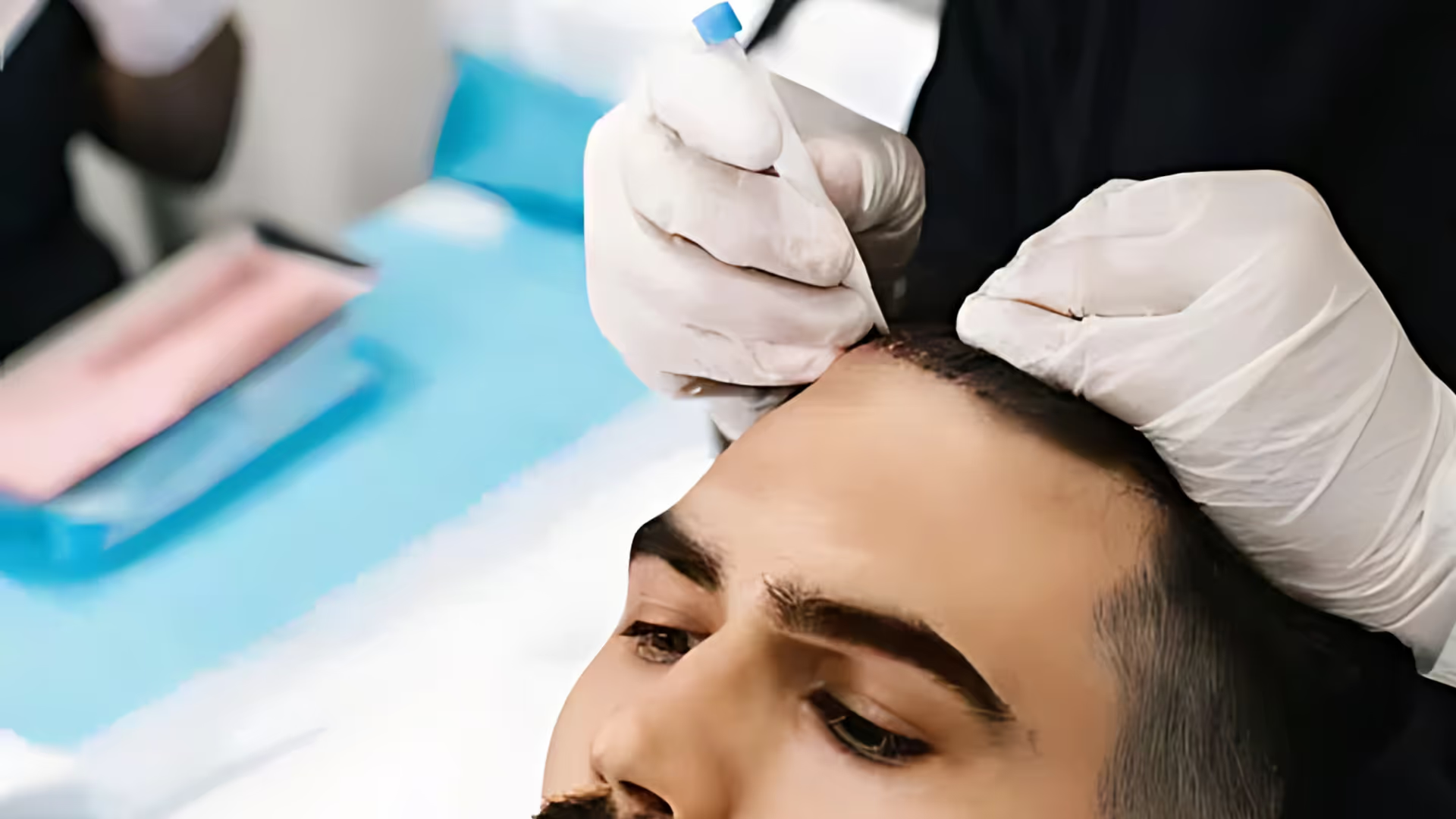
Explore the recovery timeline for Direct Hair Implantation, a cutting-edge hair restoration technique designed for precision and natural results. This article covers the step-by-step healing process, essential aftercare tips, and key factors that influence recovery. Whether you're managing androgenetic alopecia or alopecia areata, understanding the Hair Transplant recovery process can help you prepare for a smooth and effective experience.
How Long Does It Take to Recover from a Hair Transplant?
Direct Hair Implantation is one of the most advanced techniques in hair restoration. At Reviva Aesthetics, a leading clinic for hair transplant in Cyprus, this method offers a promising solution for those dealing with androgenetic alopecia, alopecia areata, or other hair loss conditions. But how long does it take to recover from this innovative procedure? Let’s break it down in clear, easy-to-follow steps.
What Is Direct Hair Implantation?
Direct Hair Implantation is a hair transplantation method that involves extracting follicle units directly from the donor area and implanting them into the recipient area using a special pen-like tool. This minimally invasive procedure is popular for its precision and natural-looking results.
Recovery Timeline for Your Hair Transplant
Day 1: Immediately After the Procedure
- What to Expect: After the transplant, you might notice some redness, swelling, or minor discomfort in the treated areas. This is completely normal.
- Care Instructions: Follow the aftercare instructions provided by your specialist, such as avoiding direct sunlight and refraining from touching the implanted areas.
Week 1: Initial Healing
- What to Expect: Scabs will begin to form around the newly implanted follicles. These are part of the natural healing process.
- Care Instructions: Avoid washing your hair for the first 48 hours. Use the recommended mild shampoo and follow the washing technique suggested by your doctor. Don’t pick at the scabs.
Week 2: Scab Shedding
- What to Expect: By the second week, most scabs will fall off naturally, revealing the implanted hair. Some of the transplanted hairs may shed. This is known as “shock loss” and is entirely normal.
- Care Instructions: Continue to treat your scalp gently and avoid strenuous physical activities.
Month 1: Shedding Phase
- What to Expect: It’s common for the transplanted hair to shed during this time. Don’t worry—this makes way for new hair growth from the implanted follicles.
- Care Instructions: Maintain a healthy diet and avoid smoking or excessive alcohol consumption to promote hair growth.
Months 2-3: New Growth Begins
- What to Expect: Tiny new hairs will start to emerge. These may be fine at first but will thicken over time.
- Care Instructions: Be patient and consistent with any recommended hair care routines or medications.
Months 4-6: Noticeable Growth
- What to Expect: Around this time, you’ll start noticing significant hair growth. The transplanted hair will blend with your existing hair, creating a natural look.
- Care Instructions: Regular check-ups with your hair restoration specialist will ensure the best results.
Months 9-12: Full Results
- What to Expect: By the end of a year, most people see the full results of their Hair Transplant. The new hair is permanent and grows just like natural hair.
- Care Instructions: Maintain a healthy scalp with proper hygiene and avoid harsh treatments that could damage your hair.
Factors That Enhance Recovery Time
- A Healthy Lifestyle: Eating a balanced diet, staying hydrated, and getting enough rest can significantly speed up your recovery process and promote better hair growth.
- Choosing a skilled hair transplant specialist is key to ensuring a seamless procedure and effective recovery: At Reviva Aesthetics, Dr. Giorgos Vasiliou, certified by the London Hair Restoration Training Academy in the Direct Hair Implantation Total Care System, provides exceptional expertise and attention to detail.
- Diligent Aftercare Routine: Consistently following the aftercare instructions provided by your specialist plays a crucial role in ensuring a fast recovery and long-lasting, natural results.
Why Choose Direct Hair Implantation?
Understanding the recovery timeline for a Hair Transplant is an important step for anyone considering this life-changing procedure. By following post-treatment care guidelines and maintaining patience, you can enjoy a smooth recovery and achieve the natural-looking results you’ve always wanted.
Reviva Aesthetics in Larnaca, Cyprus, combines expertise and personalized care to ensure clients receive the highest quality treatment for their hair restoration journey.